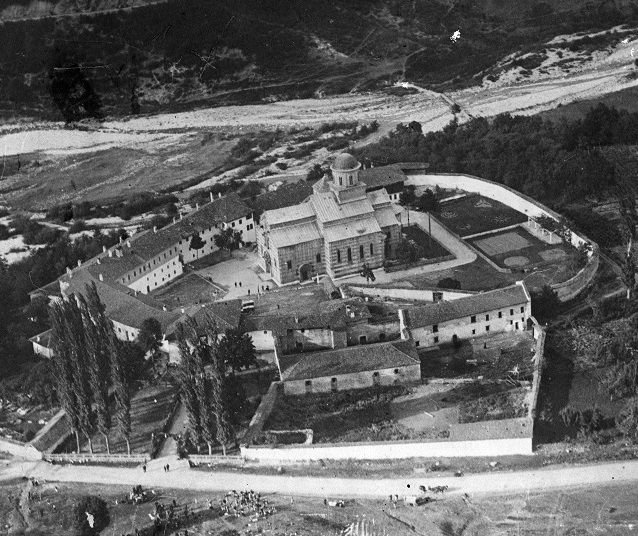
During World War I, after the defeat of the Serbian and Montenegrin armies in the autumn of 1915 and the withdrawal of Serbian troops through Albania, Dečani, like other Serbian monasteries in Old Serbia and Macedonia, was left to the mercy of the Bulgarian Army. The Bulgarian soldiers loaded a wagon full of Dečani’s precious artifacts and another wagon with the holy relics of St. Stefan of Dečani and attempted to take them from the Monastery to Bulgaria. There are written records of how the wagon with the holy relics of the King would not move from Dečani property and subsequently had to be returned to the church. The Austrians, who replaced the Bulgarians, imprisoned the Russian monks who had come to live to the Monastery in 1903 in a camp in Hungary and used the monastery as a military warehouse.
Liberation of Dečani
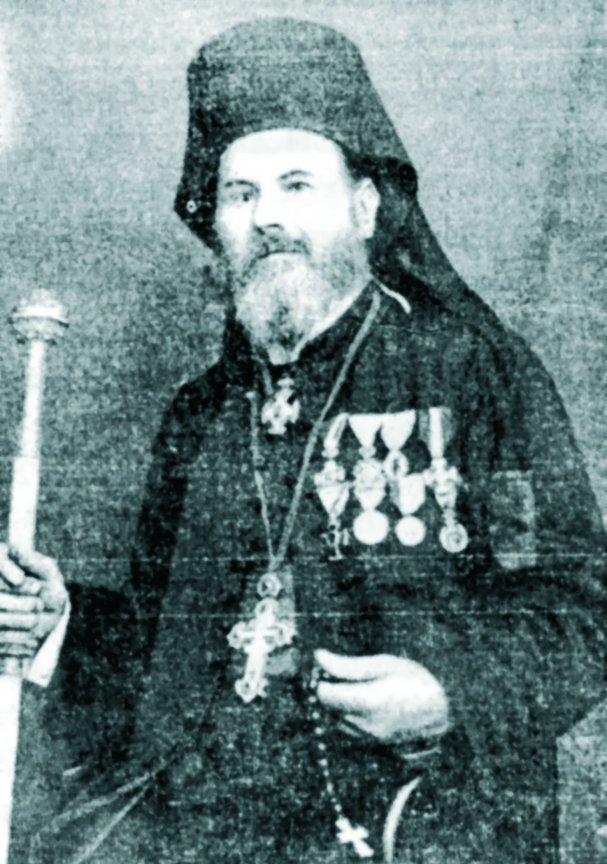
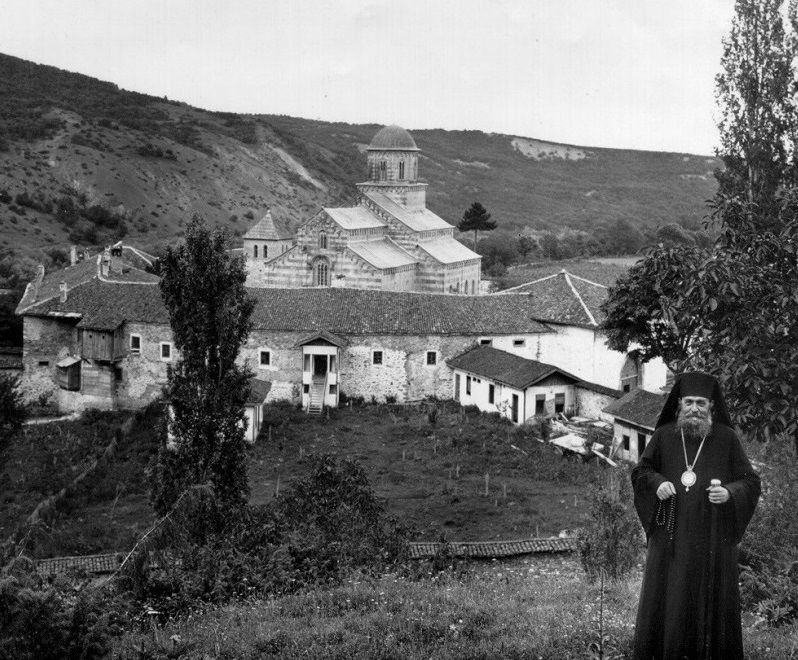
Freedom returned to Dečani with the arrival of the Serbian military commander, Kosta Pećanac, and his volunteer guard on October 12, 1918. Upon assuming administration of the Monastery, the new abbot, Archmandrite Leontije Ninković, wrote: Dečani was empty in every sense. The cells were looted and stripped to the bare walls and roof, the floors full of holes; the doors in disrepair; the windows broken; the gardens fenceless; the fruit trees damaged... The abbot repaired the Monastery buildings and through the courts he managed to receive back some of the Monastery lands. He also secured the sponsorship of King Aleksandar Karađorđević of Yugoslavia for the Monastery in 1924 when the King visited Dečani. The comprehensive restoration of the Monastery was carried out in the decade before World War II. Many experts such as Lazar Mirković, Đurđe Bošković and Vladimir Petković did research in Dečani and wrote about the Monastery.
On the first day of Pascha, April 20, 1941, the German Army entered Dečani. The same month the Germans were replaced by Italian carabinieri, who guarded the Monastery from the Ballists (Albanian fascists) throughout the war.
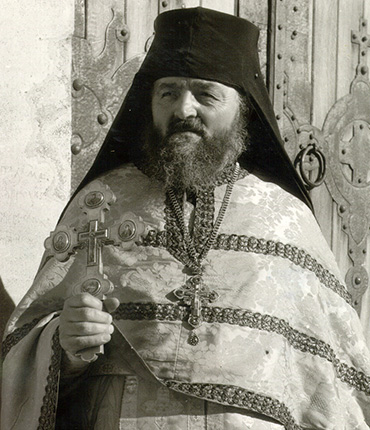
When the war ended, the atheistic Communist government of the new Yugoslavia confiscated about 800 hectares of fertile fields and forests from the Monastery. Nevertheless, church life was sustained in this period thanks to the determination and energy of the Dečani abbots Archimandrite Makarije Popović and his successor, Archimandrite Justin Tasić. With the help of the Institute for the Protection of Cultural Monuments in Belgrade, much work was done on the conservation and restoration of the Monastery’s antiquities.